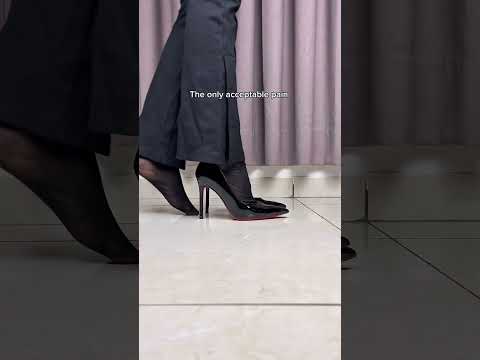
The Surprising Reality of High Heels: Beauty, Fashion, and the Hidden Costs
Meta Description: Explore the world of high heels, from their fashion appeal to the physical impact. Discover why people wear them and the potential health concerns involved.
Keywords: high heels, fashion, beauty, foot pain, health, style, footwear, comfort, ergonomics
High heels. They're a symbol of glamour, confidence, and style for many. From red carpets to everyday fashion, these shoes can transform an outfit and make a person feel powerful. They've been around for centuries, evolving with fashion trends.
But behind the beauty and allure, there's a story many don't often discuss. Wearing high heels can come with a price. This post looks at why people choose them, the dazzling appeal, and what might be happening to our bodies when we step into them.
Overview & Background
High heels have a long and fascinating history. They weren't always a women's fashion item. In ancient Egypt, priests wore them for religious ceremonies. Later, in 15th century Persia, male soldiers wore them to help keep their feet in stirrups while riding horses. They were seen as a sign of masculinity and status.
It wasn't until the 17th century that high heels started to become popular with European aristocracy, particularly women. They became a symbol of wealth and leisure, as only those not engaged in manual labor could afford to wear such impractical footwear. Over time, they became deeply ingrained in the fashion world, seen as essential for elegance and sophistication.
Today, high heels are a global phenomenon. They are designed in countless styles, heights, and materials. From stilettos and pumps to wedges and block heels, there's a design for almost every occasion and personal preference. Their presence in popular culture, fashion magazines, and media further solidifies their status as a desirable item.
Details Explained: Why We Wear Them and What Happens
The reasons people choose to wear high heels are varied. For many, it's about fashion and personal style. Heels can change posture, making the legs appear longer and leaner. They can give a wearer a sense of confidence and poise, altering how they walk and present themselves. The click of heels on a floor can be a powerful sound, often associated with a strong presence.
Beyond aesthetics, there's also a cultural element. High heels are often linked to femininity and attractiveness in many societies. They are a staple in professional settings for some, and a key part of special occasion outfits for others. The sheer variety available means there's a heel for almost any event, from a casual brunch to a formal gala.
However, the physical act of wearing high heels means your body is not in its natural position. The heel lifts the back of your foot, tilting your entire body forward. To compensate and stay balanced, you have to adjust your posture. This often means leaning your hips forward and arching your back more than usual. Your calf muscles are shortened, and your Achilles tendon is put under strain. The weight distribution shifts dramatically from the heel and the ball of your foot to just the ball of your foot and toes.
The height and design of a heel significantly impact the body. Stiletto heels, which are very thin and high, put the most pressure on the ball of the foot. Wedge heels or block heels distribute weight more evenly, which can make them more comfortable and less stressful on the foot and ankle.
Supporting Points
- Aesthetic Appeal: Heels can elongate the legs and change silhouette, which many find visually appealing.
- Confidence Boost: For some, wearing heels enhances their feeling of confidence and power.
- Fashion Statement: High heels are a key accessory in fashion, completing many looks.
- Cultural Norms: In certain contexts, heels are expected or associated with specific roles or events.
The Physical Impact of High Heels
The way high heels affect the body can range from minor discomfort to significant long-term issues. When you wear heels, your foot is forced into an unnatural position. This puts extra pressure on the front of your foot, leading to pain in the ball of the foot, known as metatarsalgia. It can also cause corns, calluses, and blisters due to friction and pressure.
The constant shortening of calf muscles can lead to tightness and pain. Over time, this can result in a shortened Achilles tendon, which can make it painful to wear flat shoes or walk barefoot. The change in posture can also affect other parts of the body. The increased arch in the lower back can lead to back pain. The unnatural gait can put strain on the knees and even the hips.
More serious issues can also develop. Bunions, which are bony bumps that form on the joint at the base of the big toe, can be aggravated or caused by the narrow, pointed toe boxes often found in high heels. Hammertoes, a condition where the toe bends at the middle joint, can also develop. Nerve damage, such as Morton's neuroma, where a nerve becomes thickened and painful between the toes, is another potential problem. Ankle sprains are also more common in high heels due to the instability they create.
Tips for Wearing High Heels More Comfortably and Safely
- Choose the Right Heel Height: Opt for lower heels or block heels if you plan to wear them for extended periods.
- Ensure a Proper Fit: Make sure the shoes are not too tight or too loose, and that there's enough room for your toes.
- Wear Inserts and Pads: Gel inserts or metatarsal pads can help cushion the ball of your foot and reduce pressure.
- Stretch Your Feet and Calves: Before and after wearing heels, stretch your feet and calf muscles to relieve tension.
- Alternate Your Footwear: Don't wear high heels every day. Switch to comfortable, supportive shoes regularly.
- Walk Mindfully: Take shorter strides and walk on softer surfaces when possible.
- Strengthen Your Ankles: Performing exercises that strengthen your ankle muscles can improve stability.
- Break Them In Gradually: If you have new heels, wear them for short periods at first to get used to them.
Frequently Asked Questions
Do high heels always cause pain?
Not necessarily. While many people experience discomfort, the amount of pain depends on the heel height, shoe design, how long they are worn, and individual foot anatomy. Some people can wear heels for shorter periods with minimal discomfort.
Are there any benefits to wearing high heels?
The perceived benefits are often related to aesthetics, confidence, and fashion. They can make legs look longer and improve posture in a way that many find appealing. However, these aesthetic benefits do not outweigh the potential physical drawbacks if worn excessively or improperly.
Can I wear high heels if I have foot problems?
If you have existing foot problems like bunions, plantar fasciitis, or arthritis, wearing high heels can significantly worsen these conditions. It's best to consult with a podiatrist or healthcare professional for advice on footwear that suits your specific needs.
Conclusion
High heels offer a unique blend of style, confidence, and fashion for many. They have a rich history and continue to be a powerful symbol in the world of aesthetics. However, it's important to be aware of the physical realities. The beauty and confidence they may provide can come with a cost to our feet, ankles, knees, and back.
By understanding the impact and adopting practical tips for comfortable and safer wear, you can enjoy the appeal of high heels while minimizing potential harm. Listening to your body is key. If the pain is persistent, it's a sign to reassess your footwear choices and prioritize your long-term foot and body health.
More Helpful Reads
Auto generated English article from trending video information, rewritten for readability and educational value.


![JANA NAYAGAN -Official Trailer [ Tamil ] |Vijay Thalapathy|Bobby Deol | H.Vinoth | New movie Trailer](https://lh3.googleusercontent.com/blogger_img_proxy/AEn0k_viB5b7H9eRlCLWlvPpWhvWCr_q0hJ0gO7X-E0P3fkSlkk3wzlWaBKDnhM-8_8N7_4LrT49fDVhao6hUGqoYfvyO1hObDYhHn3bmF0XEKtYq6AldA=w72-h72-n-k-no-nu)


0 Comments